
Why the Delay to EPC Reform
Highlights a Critical Tension
Why the Delay to EPC Reform
Highlights a Critical Tension
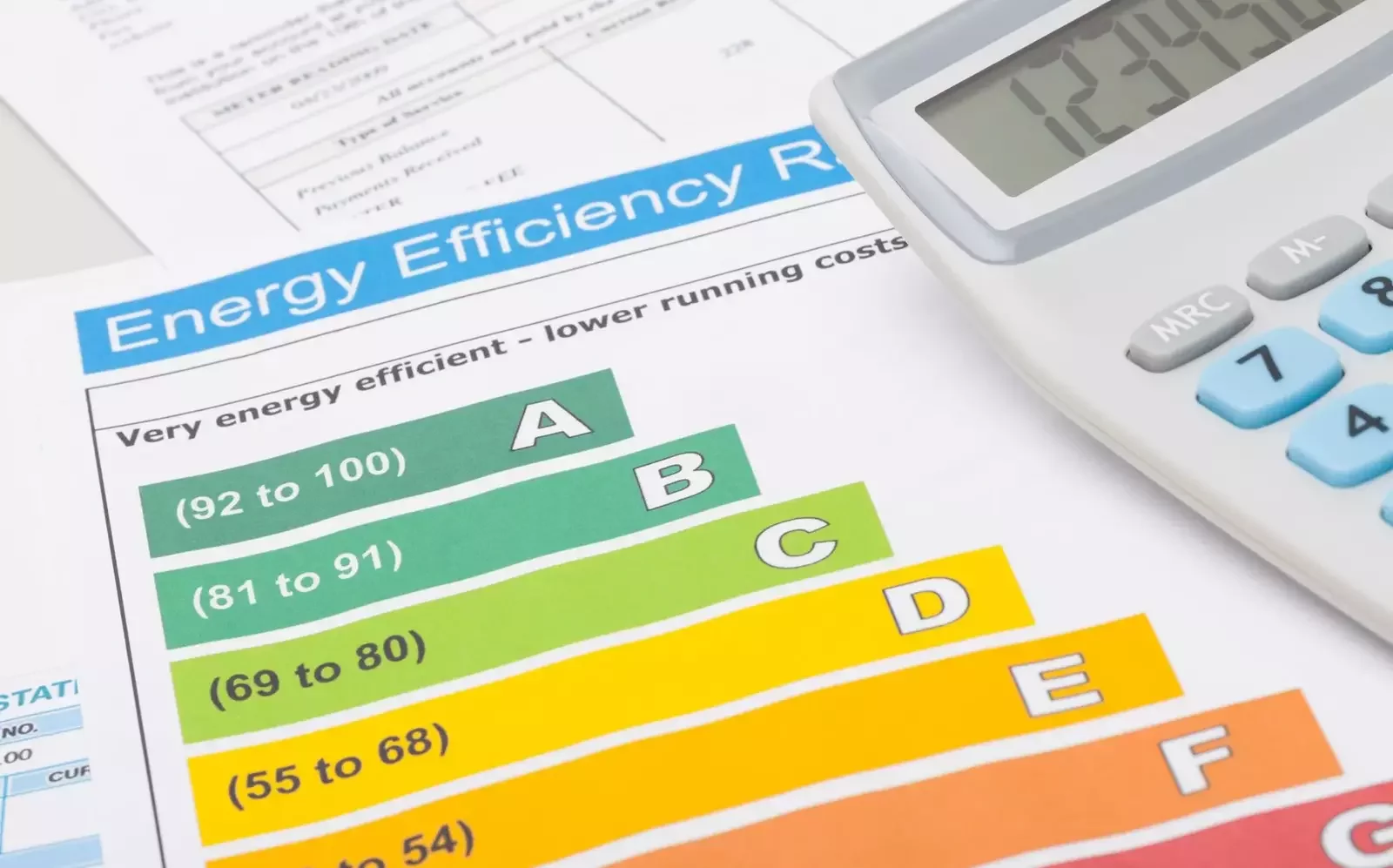
The Government’s decision to delay its reforms to the Energy Performance Certificate (EPC) regime to the second half of 2027 has inevitably been met with mixed reaction across the housing and property sector. Bengt Magnussen, TALO Founding Director, looks at some of the issues.
The Government’s decision to delay its reforms to the Energy Performance Certificate (EPC) regime to the second half of 2027 has inevitably been met with mixed reaction across the housing and property sector. Bengt Magnussen, TALO Founding Director, looks at some of the issues.
On one hand, there is clear rationale for taking more time. These reforms represent the most significant overhaul of the EPC system in more than a decade, moving towards a more complex methodology with multiple performance metrics.
This degree of change has to be right and carefully thought-through. The methodology itself needs to be robust, credible and aligned with wider policy frameworks such as the Future Homes Standard.
This degree of change has to be right and carefully thought-through. The methodology itself needs to be robust, credible and aligned with wider policy frameworks such as the Future Homes Standard.
The Importance of Industry Preparedness
Equally important is industry preparedness. Thousands of assessors will need to be trained and upskilled, new software platforms must be developed, tested and approved, and clear guidance has to be in place for those responsible for implementing the new system. If any of these elements are underdeveloped, the risk is not just confusion, but a loss of confidence in the new system as a meaningful measure of building performance.
Equally important is industry preparedness. Thousands of assessors will need to be trained and upskilled, new software platforms must be developed, tested and approved, and clear guidance has to be in place for those responsible for implementing the new system. If any of these elements are underdeveloped, the risk is not just confusion, but a loss of confidence in the new system as a meaningful measure of building performance.
From that perspective, taking the time to get it right is not only understandable – it is vital.
The industry needs clarity, consistency and trust in the metrics that underpin investment, design and compliance decisions.
However, that does not remove the frustration that many of us feel.
The industry needs clarity, consistency and trust in the metrics that underpin investment, design and compliance decisions.
However, that does not remove the frustration that many of us feel.
Why there is Frustration
We are operating in the midst of a cost-of-living crisis, with continued instability in energy prices and a clear, urgent need to improve the energy efficiency and thermal performance of new homes.
Delays to policy reform, even when justified, inevitably slow momentum and innovation at a time when progress is so critical.
There is also a risk that prolonged uncertainty leads to hesitation across the market.
Residential developers, housebuilders and investors rely on clear regulatory signals to make long-term decisions. When timelines shift, it can delay investment in better-performing homes and when the solutions are there to deliver housing to better standards.
And this is the key point – the solutions already exist.
At TALO, we are delivering ultra-low energy homes that achieve EPC A ratings as standard, with significantly reduced energy bills for occupants – and at no cost premium.
Raising Standards Should not be a Future Ambition
Our advanced offsite timber superstructure system, combined with an integrated energy strategy, consistently exceeds Passivhaus energy standards and the proposed Future Homes Standards cost efficiently.
This demonstrates that higher standards are not a future ambition – they are entirely achievable now with the right approach to design, energy strategy and construction.
In fact, our experience shows that focusing on fabric performance, airtightness and whole-house energy solutions dramatically reduces operational energy demand and improves the quality of living environments.
For homeowners and tenants, this translates directly into low or zero energy bills, greater comfort and healthier indoor environments. At a time when fuel poverty remains a significant challenge, these outcomes should be central to how we think about the delivery of new housing.
So whilst we recognise and support the need for a robust and well-implemented EPC framework, it is important that the delay does not become an excuse for inaction.
The Government now has an opportunity – and a responsibility – to provide a clear and transparent roadmap for reform. This must include defined milestones, alignment with related policies, and continued engagement with the industry to ensure the system works in practice.
At the same time, as a sector, we should not wait.
We should continue to raise standards, adopt proven technologies and prioritise outcomes that genuinely improve people’s lives. The focus must remain on delivering better homes – homes that are not only compliant, but that perform in reality and for the long-term.
We are operating in the midst of a cost-of-living crisis, with continued instability in energy prices and a clear, urgent need to improve the energy efficiency and thermal performance of new homes.
Delays to policy reform, even when justified, inevitably slow momentum and innovation at a time when progress is so critical.
There is also a risk that prolonged uncertainty leads to hesitation across the market.
Residential developers, housebuilders and investors rely on clear regulatory signals to make long-term decisions. When timelines shift, it can delay investment in better-performing homes and when the solutions are there to deliver housing to better standards.
And this is the key point – the solutions already exist.
At TALO, we are delivering ultra-low energy homes that achieve EPC A ratings as standard, with significantly reduced energy bills for occupants – and at no cost premium.
Raising Standards Should not be a Future Ambition
Our advanced offsite timber superstructure system, combined with an integrated energy strategy, consistently exceeds Passivhaus energy standards and the proposed Future Homes Standards cost efficiently.
This demonstrates that higher standards are not a future ambition – they are entirely achievable now with the right approach to design, energy strategy and construction.
In fact, our experience shows that focusing on fabric performance, airtightness and whole-house energy solutions dramatically reduces operational energy demand and improves the quality of living environments.
For homeowners and tenants, this translates directly into low or zero energy bills, greater comfort and healthier indoor environments. At a time when fuel poverty remains a significant challenge, these outcomes should be central to how we think about the delivery of new housing.
So whilst we recognise and support the need for a robust and well-implemented EPC framework, it is important that the delay does not become an excuse for inaction.
The Government now has an opportunity – and a responsibility – to provide a clear and transparent roadmap for reform. This must include defined milestones, alignment with related policies, and continued engagement with the industry to ensure the system works in practice.
At the same time, as a sector, we should not wait.
We should continue to raise standards, adopt proven technologies and prioritise outcomes that genuinely improve people’s lives. The focus must remain on delivering better homes – homes that are not only compliant, but that perform in reality and for the long-term.
Ultimately, the goal is not just to reform a rating system. It is to create housing stock that is fit for the future – affordable to run, resilient to energy volatility, and capable of helping to eradicate fuel poverty.
Getting the EPC methodology right matters.
But delivering better homes, now, matters just as much.
TALO combines proven timber offsite technology from Finland with advanced design and manufacturing processes to build ultra-low energy homes.
We partner with housing providers, architects, housebuilders and residential developers across the UK with the aim of increasing the productivity, quality and energy efficiency of low-rise housing – whether for market sale, private rent, shared ownership, or affordable housing.